A native AI sales agent for your Shopify store

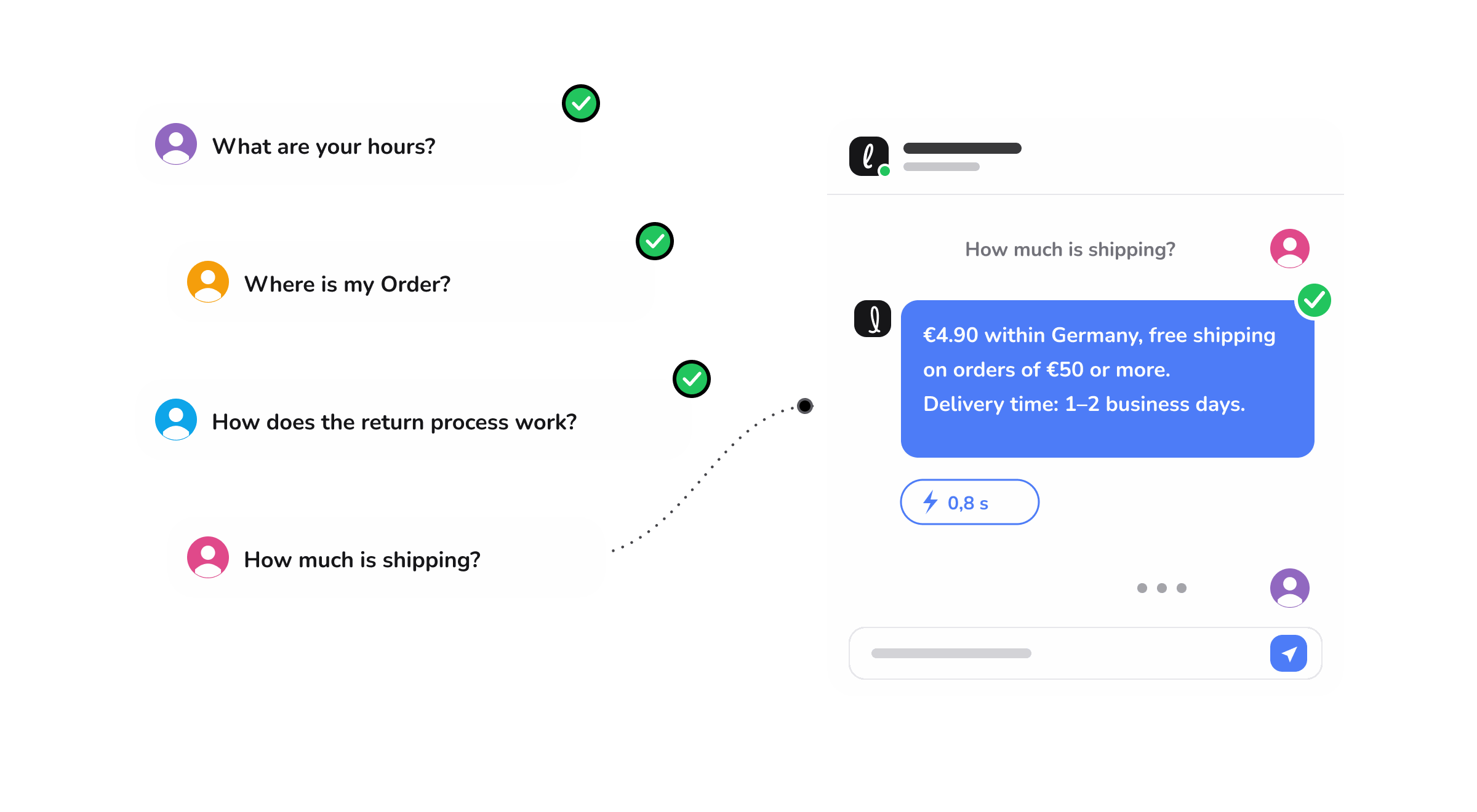
Running a Shopify store means answering the same questions all day. Does this come in another size. What is the difference between these two products. Where is my order. Every one of those questions is a shopper who is close to buying, or a customer who wants reassurance, and every one of them costs someone on your team a few minutes to answer. Multiply that across a busy store and support becomes a tax on growth.
Leezy.ai now connects natively to Shopify. That means your AI agent can answer product and order questions using live data from your store, not a stale export, helping shoppers make a decision and taking the most repetitive work off your team.
Why native matters here
You can bolt a generic chatbot onto any store. The difference with a native Shopify connection is that the agent works from your real store data rather than a snapshot you have to keep uploading. Products, variants, and order information come from Shopify itself, so the answers reflect what is actually true right now.
That distinction is the whole game in ecommerce. A shopper asking whether something is available, or a customer asking where their order is, needs a current answer. An agent guessing from month-old information is worse than useless, because a confidently wrong answer erodes trust at exactly the moment you are trying to earn a sale. Grounding the agent in live store data is what makes it safe to let it answer these questions at all.
What the agent handles
With the store connected, the agent becomes a knowledgeable shop assistant that is available on every page, at every hour:
- Product questions. It answers questions about your products using your catalog, helping a shopper compare options and settle the doubt that was keeping them from checkout.
- Order status. A customer can ask where their order is and get an answer, instead of opening a ticket and waiting. Order status is one of the highest-volume, lowest-value support questions a store handles, and it is a perfect fit for automation.
- Grounded answers about your store. Trained on your policies and content, the agent explains shipping, returns, and the details shoppers ask about before they commit.
The result is a store where a shopper's question gets answered in the moment, on the product page, rather than turning into an abandoned cart or a support email.
What a store gets out of it
More completed purchases. Many carts are abandoned over a single unanswered question. An assistant that resolves that question on the spot removes a real and common reason people leave without buying.
Fewer repetitive tickets. The where-is-my-order and does-this-come-in questions that fill a support inbox get handled automatically, which frees your team for the issues that genuinely need a person.
Support that scales with traffic, not headcount. During a launch or a sale, question volume spikes exactly when your team is most stretched. An agent absorbs that spike without you hiring for it.
A better experience at the moment of decision. Answering a shopper's question instantly, where they are, is simply a better experience than making them hunt through a FAQ or wait on an email. Better experiences convert better.
Built to stay honest
An agent selling on your behalf has to be accurate, because a wrong answer here does not just annoy a customer, it can cost you the sale and the trust. Two things keep it grounded. It answers product and order questions from live Shopify data, so it reflects your real catalog and real orders. And for everything else, it answers from the content you train it on, with a clear path to a human when a situation calls for one. It is built to help a shopper decide, not to promise things your store cannot deliver.
If ecommerce is your world, the ecommerce and retail page goes deeper on how the agent fits a store's specific workflows, and the sales agent explains how answering, qualifying, and converting work together.
Setting it up
Connecting Shopify is done from the dashboard. You authorize the store, and the agent gains access to the product and order data it needs to answer accurately. From there you train it on your policies and content so it speaks for your store the way you would. The integrations page lists Shopify among the native connections, and the documentation walks through the setup.
Frequently asked questions
Is this a real Shopify integration or a generic chatbot? It is a native connection to Shopify, so the agent answers product and order questions from your live store data rather than a manual export.
Can it tell customers where their order is? Yes. A customer can ask about order status and get an answer in the conversation, instead of opening a support ticket.
Will it give wrong answers about my products? Product and order answers come from live Shopify data, and everything else is grounded in the content you train it on, which is what keeps answers accurate. When a situation needs a person, it hands off.
Do I need to keep uploading my catalog? No. Because the connection is native, product and order data come from Shopify directly, so you are not maintaining a separate copy.
If your store answers the same handful of questions hundreds of times a week, a native AI sales agent turns that work into instant answers and, often, into completed sales. You can start free, no credit card required, connect your store, and let the agent handle the questions that stand between a shopper and checkout.